
Signs Your Concrete Is No Longer Safe or Stable
If you see cracks, sinking slabs, or rough, crumbling spots around your home, it may be time for concrete repair. Small surface flaws can be normal, but larger cracks, uneven areas, or water pooling often mean there is a deeper problem. Acting early helps prevent trips, water damage, and higher repair costs later.
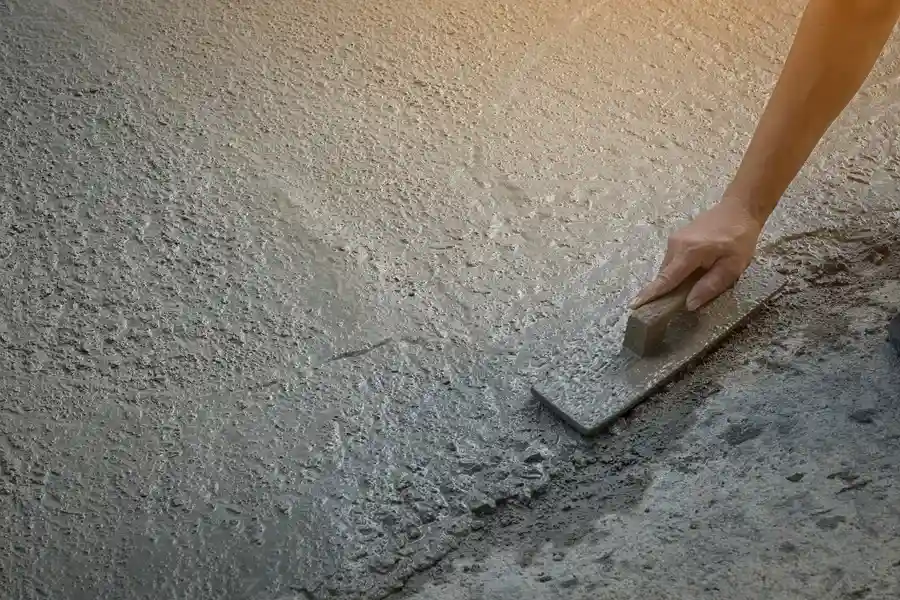
Common Symptoms You Should Not Ignore
Concrete is strong, but it does not last forever. Over time, weather, water, and soil movement can break it down. Watch for these warning signs around your driveway, walkway, patio, or foundation:
- Cracks wider than 1/4 inch
- Sections that are sinking or sloping
- Water puddles that remain long after rain
- Flaking or chipping on the surface
- Gaps between concrete and your home
Hairline cracks are common and may not need immediate repair. But wide or growing cracks often signal shifting soil or heavy loads. Uneven slabs can become a tripping risk. Standing water can slowly wash away the soil underneath, making the problem worse.
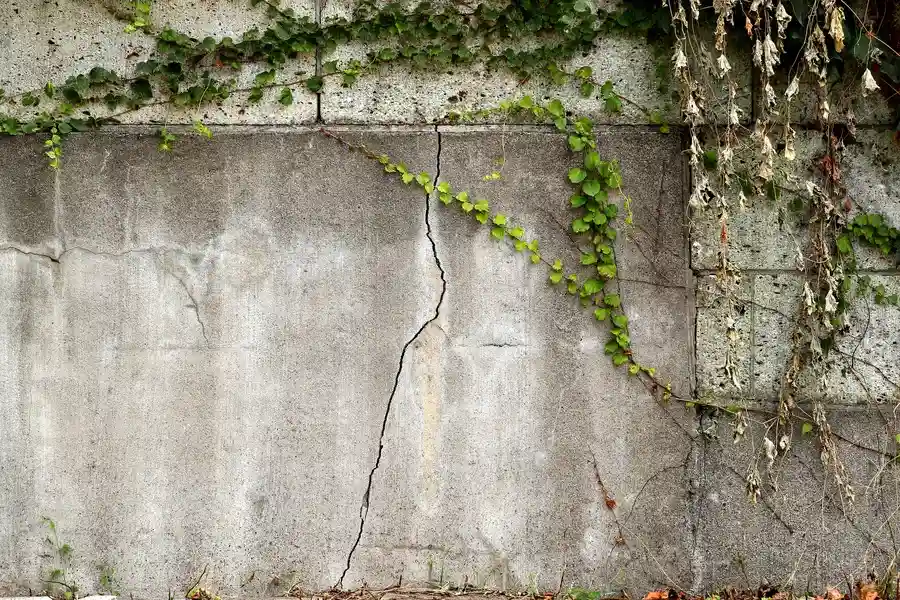
What Causes Concrete Damage?
Most concrete problems start below the surface. The ground under your slab may expand and shrink with moisture changes. In cold climates, freeze and thaw cycles push concrete up and down. Tree roots can also lift sections over time.
Other causes include:
- Poor drainage around the home
- Heavy vehicles parked in the same spot
- Improper installation during original construction
- Soil that was not packed tightly enough
Even well-installed surfaces can wear down after many years. Sun exposure, rain, and daily use all take a toll.
What to Check Before Deciding on Repairs
Before scheduling concrete repair, take a close look at the area.
- Measure the cracks. Are they getting wider?
- Check if slabs are level with each other.
- Look for drainage problems nearby.
- Notice if doors or gates stick near the damaged area.
If cracks stay the same size and the slab is level, you may only need simple sealing. If slabs have dropped or shifted, lifting or replacement might be needed. Keep an eye on changes over a few weeks if you are unsure.
Safe Fixes Vs. Professional-Level Repairs
Some minor issues can be handled with store-bought fillers or sealants. These products can close small gaps and help block water. They work best for surface cracks that are not moving.
More serious problems call for skilled help. For example:
- Large, uneven sections may need slab lifting.
- Deep cracks near the foundation may need structural work.
- Severely broken areas may require partial replacement.
Trying to patch major damage without fixing the root cause often leads to repeat issues. A trained crew can inspect the soil, drainage, and surrounding surfaces as part of a proper service category keyword inspection and repair plan.
How to Prevent Future Damage
While not all problems can be avoided, you can lower the risk of costly repairs.
- Keep gutters clean and direct water away from slabs.
- Avoid parking heavy vehicles in one spot for long periods.
- Seal small cracks early before they grow.
- Trim tree roots that grow near hard surfaces.
Good drainage is often the most important step. Water is one of concrete’s biggest enemies. When it seeps below the slab, it weakens the base and leads to sinking.
When to Schedule Professional Help
You should seek professional concrete repair when cracks spread quickly, slabs become uneven, or damage affects your home’s foundation. These signs may point to soil movement or structural stress. Fast action can protect both your property value and your family’s safety.
If you plan to sell your home, fixing visible concrete damage can also improve curb appeal. Buyers often notice cracked driveways and patios right away.
Get Trusted Help for Your Home
If you are seeing warning signs around your property in Statesville, NC, it may be time to have the area checked. At JJPCS, we inspect the damage, explain your options in plain language, and recommend repairs that fit your needs. Call (980) 246-0891 to schedule an evaluation and let us help protect your concrete surfaces for years to come.