
Restoring Strength and Stability to Damaged Concrete Surfaces
Concrete repair improves structural integrity by fixing cracks, gaps, and weak spots that threaten the strength of a building or surface. When damaged areas are restored, the structure can carry weight better, resist water intrusion, and avoid further breakdown. In places like Statesville, NC, where weather and soil movement can stress foundations and slabs, timely repairs help keep homes and commercial buildings stable and safe.
What Structural Integrity Really Means
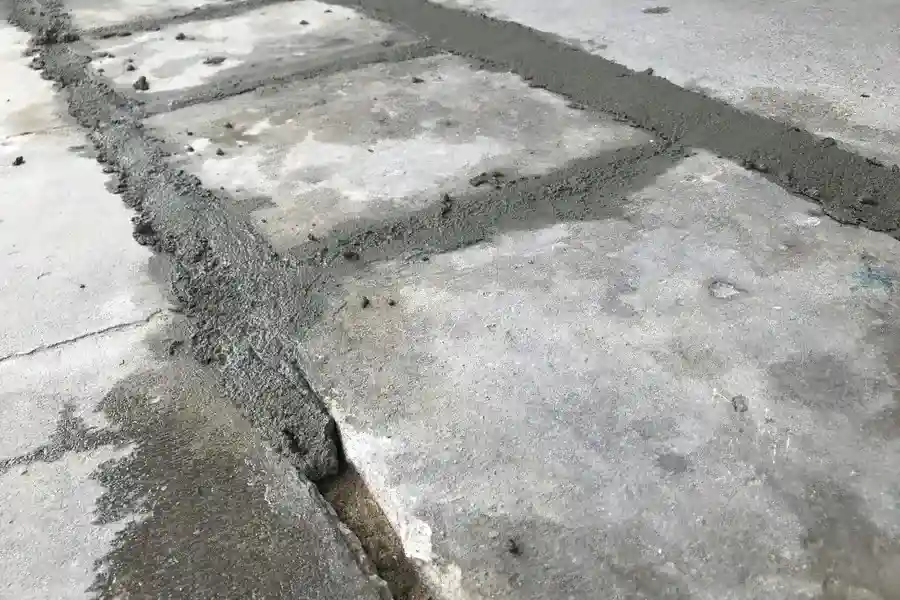
Structural integrity is a simple idea. It means a structure can safely hold the weight and pressure placed on it. That includes walls, floors, driveways, foundations, and columns. When concrete is strong and solid, it spreads weight evenly. When it is cracked or crumbling, that weight shifts in ways it should not.
Even small cracks can grow over time. Water can enter. Steel rebar inside can rust. As materials weaken, the whole structure feels the strain. This is why concrete repair is not just about looks. It is about safety and long-term performance.
Common Signs of Structural Problems
Before you can fix a problem, you have to spot it. Many property owners first notice damage in small ways.
- Cracks in walls, floors, or ceilings
- Uneven or sinking slabs
- Doors and windows that stick
- Water pooling near the foundation
- Loose or flaking concrete surfaces
These signs often point to stress in the structure. Some issues are minor. Others can affect load-bearing areas. A close inspection helps determine how serious the damage is.
How Concrete Repair Strengthens a Structure
When done properly, concrete repair restores both surface and internal strength. The goal is to stop damage from spreading and return the material to a stable condition.
Here is how the process typically improves structural integrity:
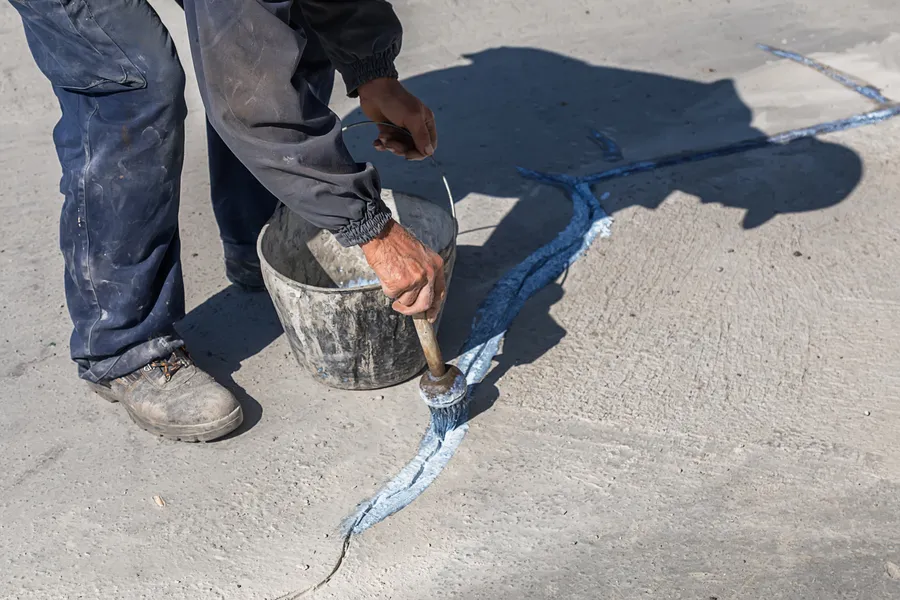
- Stops water intrusion: Sealing cracks keeps moisture out. This protects steel reinforcements from rust.
- Restores load distribution: Filling voids and leveling slabs allows weight to spread evenly again.
- Prevents further cracking: Stabilizing weak areas reduces stress on nearby sections.
- Improves surface bonding: Quality patching materials bond with existing concrete, creating a unified surface.
- Reinforces weak spots: In some cases, added supports or injections strengthen the inside of the slab or wall.
Each of these steps plays a role in restoring the structure’s ability to handle daily use and environmental pressure.
What to Check Before Starting Repairs
Not all damage has the same cause. Before any repair work begins, it is smart to look at the full picture.
Check for drainage problems around the property. Poor grading can push water toward the foundation. Inspect gutters and downspouts. Look at nearby trees whose roots may be shifting soil. Inside, note whether cracks are widening or staying the same size.
This early review helps determine if basic surface repair is enough or if deeper structural work is needed.
Common Mistakes to Avoid
Some property owners try quick fixes that do not address the real issue. This can lead to bigger repairs later.
- Using the wrong patching product for structural cracks
- Ignoring the cause of soil movement
- Covering cracks without sealing them
- Waiting too long to fix expanding damage
A cosmetic patch may hide the crack, but if the base problem remains, the damage often returns. Good concrete repair focuses on both the visible damage and the source behind it.
When Professional Help Is the Right Choice
Hairline cracks in a driveway may be manageable with basic tools. But foundation settling, deep structural splits, or uneven floors often need expert attention. Professionals use tools such as epoxy injections, slab stabilization systems, and reinforcement methods that go beyond simple surface fixes.
If you notice fast-growing cracks, water leaks in the basement, or shifting walls, it is best to consult a trained team. Acting early can reduce long-term repair costs and protect your property’s overall value.
Protecting Your Property for the Long Run
Strong concrete supports everything above it. When damage is repaired quickly and correctly, the entire building benefits. Floors feel stable. Walls stay aligned. Water stays outside where it belongs. In areas with changing seasons, soil expansion, and heavy rain, regular inspection and timely concrete repair can make a major difference in how long a structure lasts.
Get Expert Guidance for Your Property
If you are seeing signs of structural wear in Statesville, NC, it may be time to take action. At JJPCS, we provide detailed evaluations and practical repair solutions tailored to each property. Our team focuses on safety, durability, and lasting results. Call us at (980) 246-0891 to schedule an inspection and learn how we can help restore strength and stability to your concrete surfaces.